
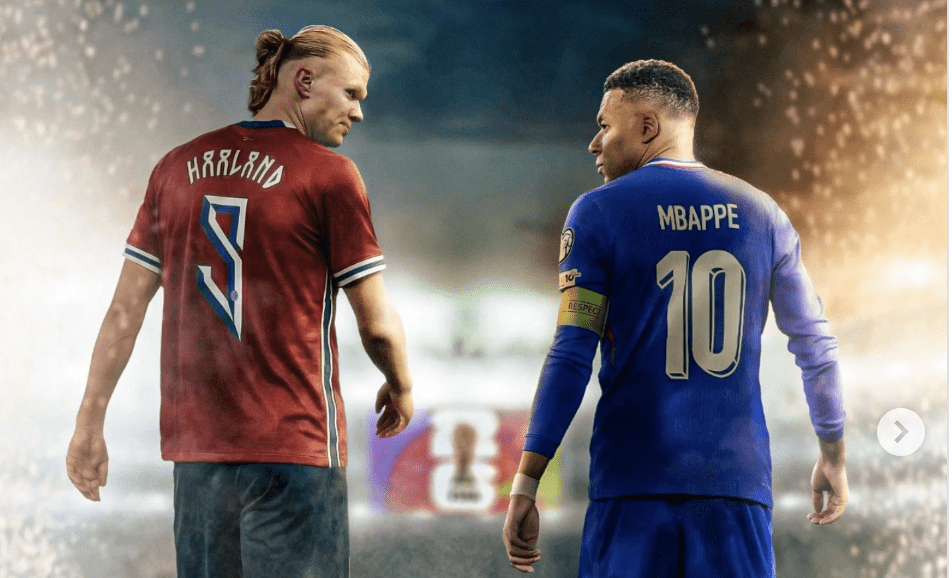
Croatia locking horns with England, while France and Senegal facing off, are among the best clashes of the 2026 World Cup Group stage
7 Group Stage clashes to watch at 2026 World Cup as England locking horns with Croatia, or France renewing old hostilities with Senegal, headline what promises to be a captivating group stage at the World Cup 2026, set to unfold this summer in North America.
World Cup 2026 – Managers who used to run the pitch of the finals as players
FIFA World Cup 2026 final draw: England, Croatia in ‘Group of Death’
World Cup 2026 Odds will also be updated here.
Seven standout group-stage fixtures – including the blockbuster duel between Kylian Mbappé and Erling Haaland – are poised to take centre stage at the biggest football spectacle on the planet.
A World Cup like no other
World Cup 2026 is set to usher in an unprecedented chapter in football history. For the first time, the tournament will feature 48 teams, spread across three host nations – the United States, Mexico and Canada – with a record 104 matches in total. Rather than diluting quality, the expanded format has opened the door to a series of heavyweight encounters from the very start of the competition.
Among them, the following seven fixtures stand out as early flashpoints, where history, present form and future ambition collide.
Brazil vs Morocco (Group C, June 13)
Brazil arrive at the World Cup burdened by the expectations that come with their status, yet still searching for their former dominance. Since lifting the trophy in 2002, the Seleção have failed to reclaim football’s ultimate prize, with the 1–7 humiliation against Germany on home soil in 2014 remaining a painful scar. The appointment of Carlo Ancelotti signals a serious rebuilding effort, but Brazil still require genuine tests.
Morocco provide exactly that. The surprise package of World Cup 2022, the North African side have proven they are no one-tournament wonder. Armed with a Europe-hardened core and buoyed by a 2–1 victory over Brazil in a 2023 friendly, Morocco possess the belief and discipline to force the five-time champions to operate at full throttle.
Netherlands vs Japan (Group F, June 14)
This fixture reflects a broader shift in the modern football landscape. Under Ronald Koeman, the Netherlands have edged closer to genuine title contention – reaching the semi-finals of Euro 2024, cruising through World Cup qualifying unbeaten, and only falling to Spain on penalties in the Nations League.
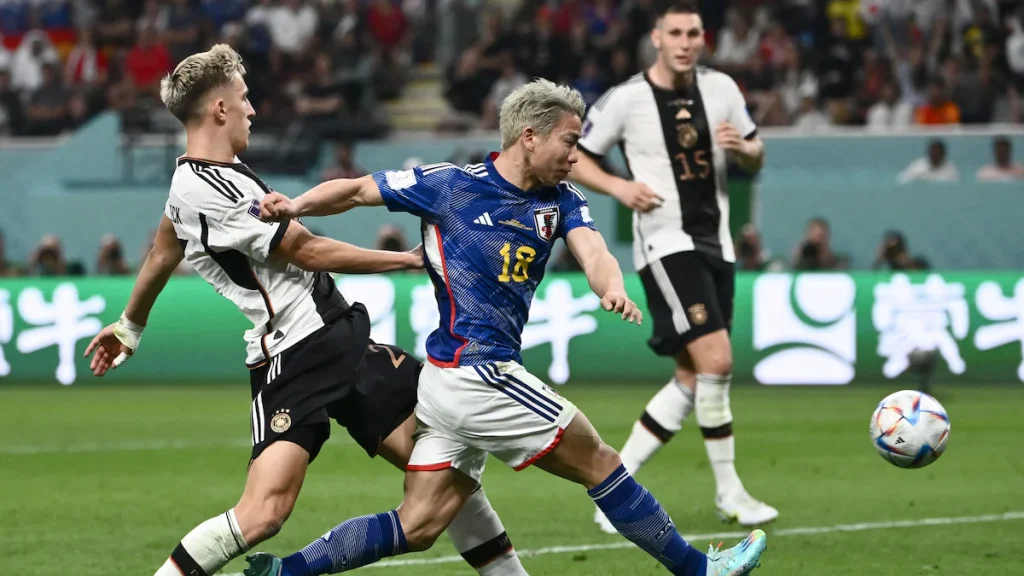
Japan, meanwhile, are no longer cast as underdogs. After stunning both Germany and Spain at World Cup 2022, the Samurai Blue have continued to underline their rise with emphatic victories in high-profile friendlies. It is a contest between European pedigree and an Asian powerhouse coming of age.
Japan’s spirit cannot be underestimated – this is a team that has already slain giants, and they will arrive believing they can do so again.
Spain vs Uruguay (Group H, June 26)
Spain head into World Cup 2026 as one of the leading favourites. A mature core blended with an explosive young generation allows La Roja to retain their possession-based identity while adding pace, depth and unpredictability.
Uruguay may no longer boast the peak-era firepower of Luis Suárez and Edinson Cavani, but under Marcelo Bielsa they remain fiercely competitive. Strong performances in South American qualifying underline why they continue to be a threat to any heavyweight.
This clash pits the reigning European champions against the very first kings of the World Cup – a meeting enriched by club-level familiarity forged in La Liga and the Bundesliga.
France vs Senegal (Group I, June 16)
The trauma of World Cup 2002 still lingers in French memory, when Senegal stunned the reigning champions on opening day and sent them crashing out in the group stage. Nearly a quarter of a century on, France return as a vastly different force – champions in 2018, runners-up in 2022, and arguably the deepest squad in the tournament.
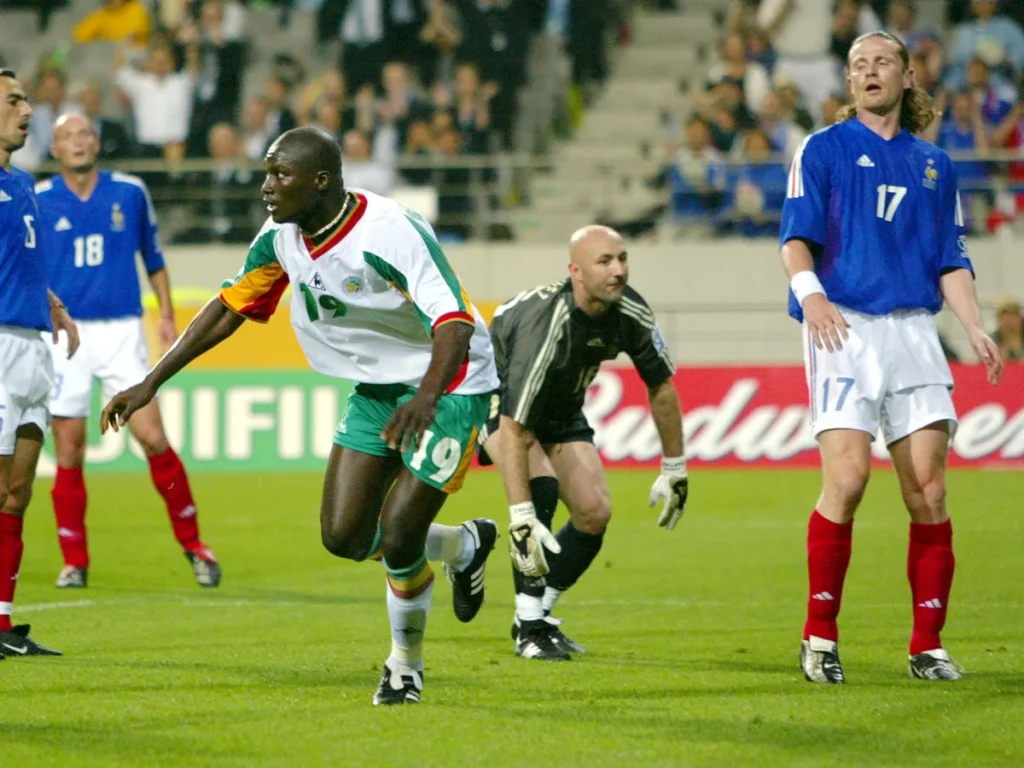
Senegal may no longer carry the shock factor of 2002, but they remain physically imposing, tactically sound and rich in World Cup experience. Should France falter, history has shown that Senegal are more than capable of striking again.
On paper, France’s quality, depth and recent achievements make them clear favourites. Yet Senegal arrive as newly crowned AFCON champions after a dramatic final victory over Morocco, and a fired-up Sadio Mané could still tilt the balance against the World Cup holders’ runners-up.
France vs Norway (Group I, June 26)
Few individual duels are more anticipated than Kylian Mbappé versus Erling Haaland. Two generational strikers, two contrasting styles – blistering speed and finesse against raw power and ruthless finishing.
This is, by any measure, a summit clash between the defining forwards of the present era and the standard-bearers of football’s next golden generation.
Norway may lack France’s depth, but a flawless European qualifying campaign shows they are far more than a one-man team. While France hold a clear collective advantage, the likes of Martin Ødegaard and Haaland are fully capable of producing a shock and turning the group on its head.
Portugal vs Colombia (Group K, June 27)
Portugal continue to revolve around Cristiano Ronaldo, yet unlike previous cycles, they are no longer dependent solely on their iconic captain. A vibrant, technically gifted younger generation has ensured Portugal remain among the elite.
Colombia, following a period of transition, are rediscovering balance between experience and youth. Their run to the Copa América 2024 final was a clear statement of intent – this is a side with both belief and bite.
England vs Croatia (Group L, June 17)
A rematch steeped in World Cup history. Croatia’s dramatic comeback victory over England in the 2018 semi-final remains a painful memory for English supporters. Under new head coach Thomas Tuchel, England appear revitalised, embracing a more pragmatic and efficient approach.
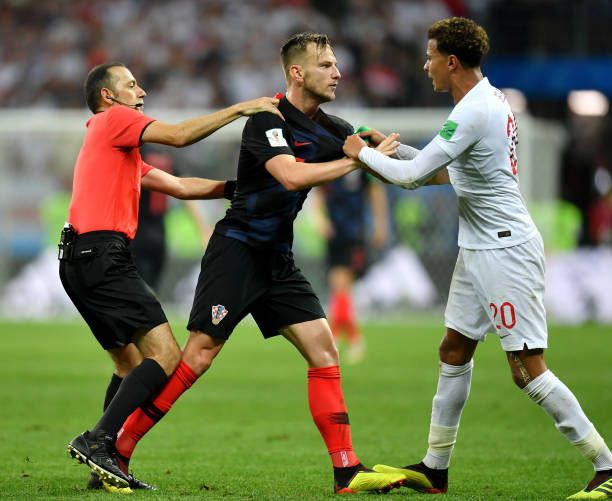
The fierce on-field battles – once embodied by the clashes between Dele Alli and Ivan Rakitić – may now belong to the past, but the rivalry endures. Nearly a decade on, both squads have evolved: legends have retired, stars have aged, and new talents have emerged.
Yet England and Croatia remain teams with the pedigree and mentality to reach the latter stages once again. Led by the evergreen Luka Modrić, Croatia continue to thrive on experience and tournament nous. For them, the World Cup remains the ultimate stage to defy expectations.
